
Affordable Family Holidays in Australia: How to Do Summer Well on a Real Budget
Nina PaulusAFFORDABLE FAMILY HOLIDAYS ARE POSSIBLE, WITHOUT MAKING EVERY DAY A SPREADSHEET. A little planning can help you spend less on the predictable stuff and more time enjoying the bits your kids will remember.
The pressure is real: in the Tourism & Transport Forum’s 2025/26 Summer Travel Survey, 54% of respondents said cost-of-living pressures had affected their summer travel plans. Some were planning a shorter trip; others were looking at staying with family or travelling closer to home.
That shift doesn’t have to mean giving up on a family holiday in Australia. It can mean choosing a simpler base, making a few meals yourself and letting the beach, a playground or a local walk fill the day.
Choose your destination around the season, and the total cost
Start with the kind of trip your family actually enjoys. A week in a cabin near a Victorian beach, a few nights exploring South Australia’s coast, or a road trip to a Queensland regional town may feel more relaxing, and cost less, than flying across the country for a packed itinerary.
Compare the whole trip, not just the accommodation rate. Add up transport, fuel or airport transfers, parking, baggage, meals and paid activities. Driving can save on flights, but a long route can bring extra fuel, overnight stops and tired little passengers. For a shorter break, a nearby destination may offer better value.
Summer brings long days and plenty of outdoor options, but it also overlaps with peak demand in many popular spots. If your family has flexibility, compare late summer or other shoulder-season dates. Weather varies across Australia: check local conditions, especially if you’re considering tropical north Queensland during its wet season or planning beach days in cooler southern states.
School holiday dates differ between states and territories. Check the Australian school holiday calendar, then compare prices around the dates that work for your family. A few days either side of a busy period can sometimes make a meaningful difference, but always check actual accommodation and transport prices before deciding.
Book a kitchen, then make meals part of the plan
Eating out for breakfast, lunch and dinner adds up quickly with kids. Look for accommodation with a kitchen, kitchenette or camp kitchen, and check what is actually provided before you book. A fridge, microwave and basic cooking equipment can make everyday meals much easier.
You don’t need to cook every meal. Try a supermarket shop for breakfast basics, picnic lunches, snacks and a few simple dinners, then choose one or two meals out as a holiday treat. Pack refillable drink bottles and lunchboxes for day trips, so you’re not relying on cafés whenever hunger strikes.
Laundry access is another useful filter, particularly when you’re travelling with babies or toddlers. Being able to wash a small load can mean packing fewer clothes and avoiding the expense of replacing items after a sandy, splashy day.
For more ideas on planning transport, accommodation and food costs, see Tourism Australia’s budget guide.
Share the stay, or make it a grandparents’ getaway
Could you share a holiday house with grandparents, relatives or another family? Splitting the cost of a larger rental can make a kitchen, laundry and separate sleeping spaces more affordable. Agree on dates, room arrangements, food costs and how you’ll share the space before booking. A clear plan helps everyone relax once you arrive.
There’s also a lovely family connection in travelling across generations. Hilton’s 2026 travel trends research found that 51% of Australian respondents had taken or were planning a skip-generation holiday with grandparents and grandchildren. The survey also reported that a third of Australian families take trips involving three or more generations at least once a year.
If grandparents are keen and it suits everyone, a shared trip, or a grandparents-and-grandkids break, can be a meaningful way to spend time together. Talk through supervision, accessibility, routines and costs well ahead of time so the arrangement feels comfortable for every generation.
Make room for free holiday days
A family holiday doesn’t need a paid activity on the itinerary every day. Some of the happiest hours can be spent swimming, building sandcastles, riding a bike path, exploring a playground or eating a picnic with a view.
Search local council websites and visitor centres for free events, public pools, libraries and school-holiday programs. In NSW, the National Parks kids and family tours page lists nature and ranger activities; Queensland Parks, Parks Victoria and South Australia’s parks school-holiday program are useful places to look too. Some activities need advance bookings, and park entry or parking fees may apply, so check the details first.
Plan one paid highlight if it fits your budget, then balance it with simple outings close to your accommodation. Beaches, national parks, playgrounds and walking tracks can be wonderful value; just check local conditions, access, fees and any closures before you go.
Pack useful gear that can earn its place
The best family travel gear is the stuff you’ll use again after the holiday. Reusable drink bottles and lunchboxes help with picnics, car trips and daycare. A personalised corduroy backpack can give a child a familiar place for spare clothes, snacks or a favourite toy on trips and everyday outings. Personalisation can also make it easier to spot in a busy family group.

For a beach day, a compact silicone beach toy set can be packed for repeated trips to the sand. A kids’ travel journal can give older children a low-cost activity during downtime and become a keepsake of the places you explored.

If you’re flying, check airline rules before buying or packing specialist gear. The SkySnooze toddler air-travel hammock and SkyRest footrest are travel comfort accessories, not airplane beds or safety restraints, and airline approval can vary. Read the product guidance and confirm compatibility with your airline and seat before your trip.
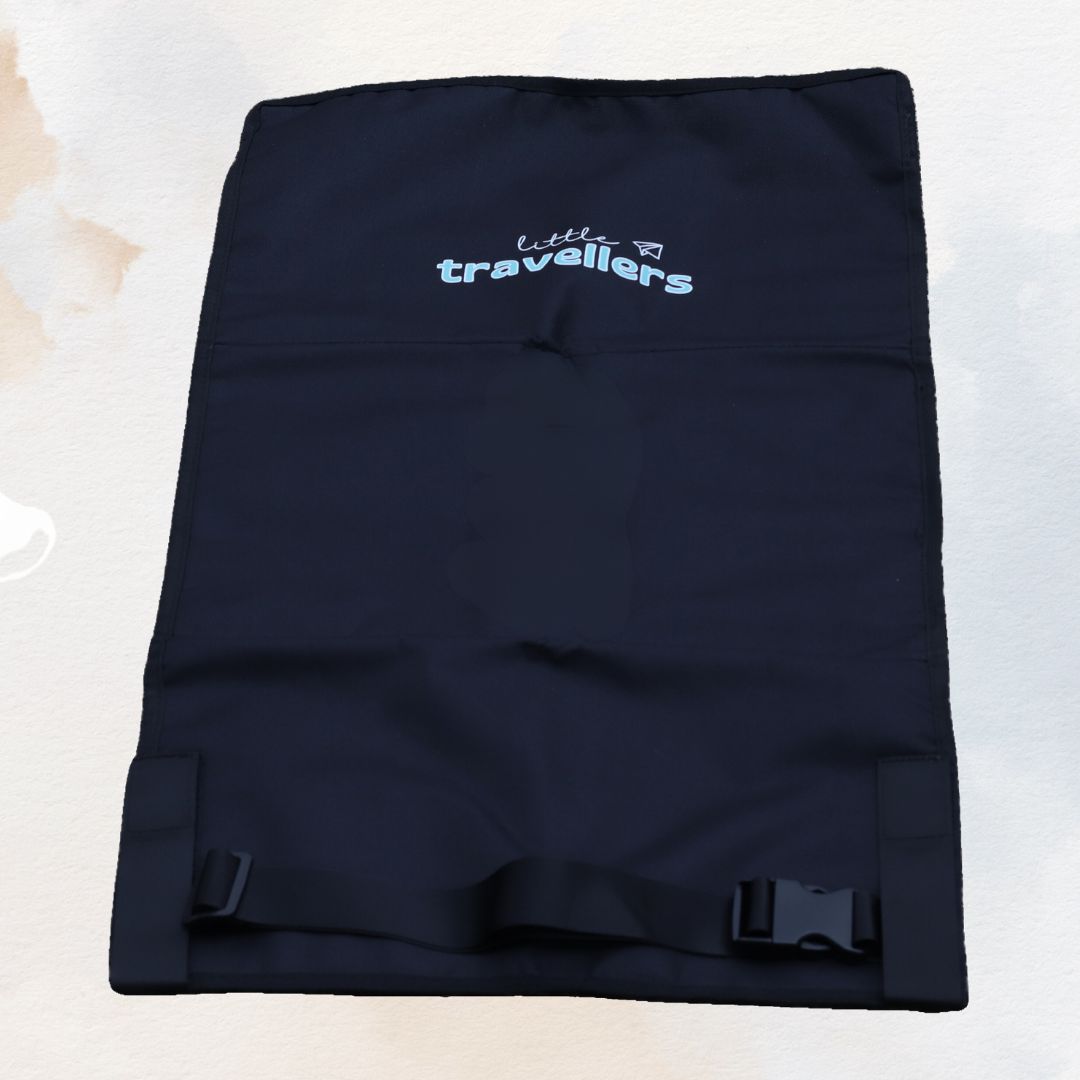
A car seat and stroller bag may also be useful if you regularly fly with bulky baby gear. Think of every purchase as something to weigh against how often your family will use it, not a must-have for every holiday.
Your budget-friendly family holiday checklist
- Compare the full cost of driving, flying and staying closer to home.
- Check your state or territory’s school holiday dates and compare nearby travel dates.
- Pick one comfortable base rather than moving accommodation repeatedly.
- Look for a kitchen, laundry and family-friendly sleeping arrangements.
- Plan supermarket breakfasts, picnic lunches and a few simple dinners.
- Find free or low-cost beaches, parks, playgrounds, libraries and local programs.
- Set a realistic allowance for one or two paid activities.
- Check park fees, bookings, weather, closures and beach conditions.
- Pack reusable essentials you’ll use on future trips, too.
- Leave space in the itinerary for naps, slow mornings and spontaneous fun.
An affordable family holiday doesn’t have to be elaborate to feel special. Choose a place that suits your season and budget, make the everyday costs more manageable, and let the little moments fill the days. That’s often where the best memories begin.